How Long Does a Dental Cleaning Take? 5 Steps to Know
Typically, a dental cleaning takes between thirty and sixty minutes. That’s the quick explanation. However, there is more to learn. The time depends on your mouth, dental history and the dentist’s methods. Some people are in and out quickly. Others need extra care because of tartar, stains or gum problems.
Let’s talk about why dental cleanings matter, how they are done, and why the time can vary. You will be fully prepared for your upcoming dentist appointment in this manner.
What Happens During a Dental Cleaning?
A dental cleaning at the dentist’s office involves more than just brushing your teeth. It is a professional service performed by a dental hygienist or dentist. The objective is to maintain the health of your teeth and gums and avoid more serious issues down the road.
Here’s what happens:
1. Dental Exam (5-10 minutes)
- The hygienist or dentist examines your gums and teeth.
- They check for problems like gum disease and cavities.
- Sometimes, they take X-rays if you haven’t had them in a while.
This part is quick if your mouth looks healthy. But it might take longer if you have pain, bleeding gums, or dental work that needs checking.
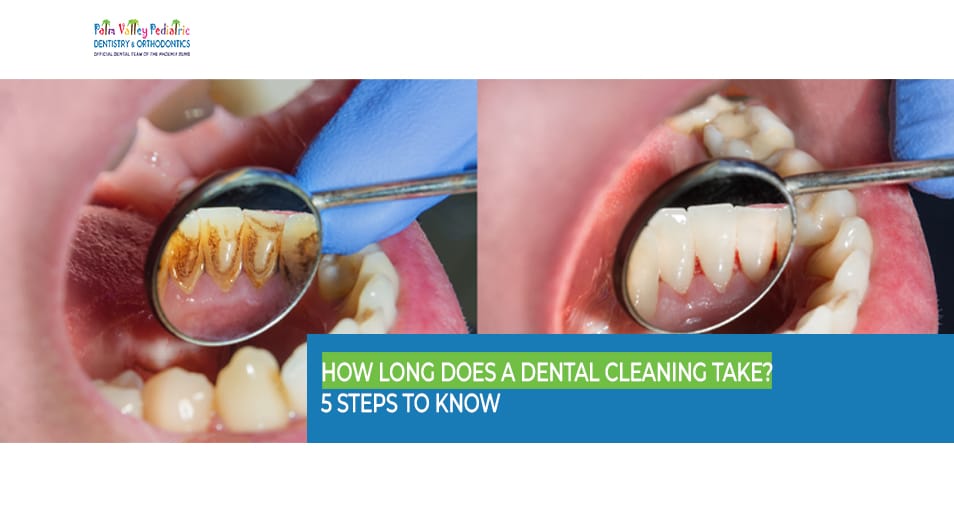
2. Plaque and Tartar Removal (10-20 minutes)
A sticky substance called plaque accumulates on teeth. Hardened plaque is tartar. Brushing and flossing eliminate plaque. However, only a dentist can remove plaque once it has solidified into tartar.
- Scalers are specialized instruments used by the hygienist.
- Both above and below the gum line, they scrape out tartar.
- It shouldn’t hurt, although it might feel a little itchy.
This step takes longer if you have a lot of tartar. People who visit the dentist regularly usually have less tartar.
3. Gritty Toothpaste Cleaning (5-10 minutes)
After tartar removal, your teeth get cleaned with a special toothpaste.
- It is a tooth-polishing paste with grit.
- It smoothes teeth and gets rid of surface stains.
This is usually quick and painless.
4. Flossing and Rinsing (2-5 minutes)
The hygienist removes any remaining dirt by flossing between your teeth. You might rinse with water or a fluoride solution.
5. Fluoride Treatment (Optional) (1-5 minutes)
Fluoride helps protect teeth against decay. Your dentist might recommend it, especially for kids or people prone to cavities.
- It can be a gel, foam, or varnish.
- It’s applied to teeth and left for a few minutes.
Not everyone needs fluoride at every visit. So, this step may be skipped.
Why Dental Cleanings Take Different Amounts of Time?
Here’s why your cleaning might be fast or slow:
- Tartar Buildup: More tartar = longer cleaning.
- Gum Health: People with gum disease need deeper cleaning.
- Age: Kids’ cleanings are usually quicker than adults’.
- Dental History: Braces, crowns, or dental implants can make cleaning take longer.
- Comfort Level: Some patients feel nervous and need breaks. That adds time.
For example, a child with healthy teeth might be done in 20-30 minutes, while an adult with gum disease might need an hour or more.
How Long Does a Child’s Dental Cleaning Take?
A child’s cleaning usually takes about 20 to 30 minutes.
- Kids have fewer teeth than adults.
- They usually have less tartar.
- Pediatric dentists make it quick to keep kids comfortable.
Still, every child is different. It can take longer if a child has cavities, anxiety, or special dental needs.
How Often Should You Get a Dental Cleaning?
Dentists at PVPD recommend cleanings every six months. Some people might need them more often, especially if they:
- Have gum disease
- Get cavities often
- Wear braces
- Have dry mouth (which increases plaque)
Skipping cleanings lets plaque and tartar build up, which can lead to tooth decay, gum disease, and even tooth loss.
According to the American Dental Association, regular cleanings lower the risk of costly dental problems in the future.
Why Dental Cleanings Are Important?
Dental cleanings do more than keep your teeth white. They support the health of your entire mouth.
- Avoid cavities
- Lower the chance of developing gum disease
- Eliminate stains from smoking, coffee, and food.
- Keep your breath fresh
- Let your dentist spot problems early
For example, early-stage gum disease is reversible. But if ignored, it can become serious and lead to bone loss. That’s why these cleanings matter.
Does Dental Cleaning Hurt?
Most people don’t feel pain during a routine cleaning. Some feel mild discomfort, especially with sensitive teeth or lots of tartar.
If your teeth or gums hurt, tell your dentist. They can:
- Use numbing gel
- Clean more gently
- Take breaks as needed
Don’t avoid cleanings out of fear. Skipping cleanings can cause bigger problems later.
Take Lisa, for instance. She skipped dental cleanings for two years. When she finally came back to our PVPD office, the cleaning took over an hour because she had tartar under her gums. It wasn’t fun, but it saved her from bigger dental issues.
Compare that to Jake, who goes every six months. His cleanings take about 30 minutes. He’s in and out quickly, and his teeth stay healthy.
How to Prepare for a Dental Cleaning?
Getting ready for a dental cleaning is simple.
- Brush and floss like you normally do. It helps keep your mouth fresh and makes your cleaning easier.
- Make an effort to arrive at your appointment a bit early. It allows you to unwind and do any paperwork.
- Make a list of all the medications you take and carry it with you. For your protection, your dentist must be aware of this.
- Inform your dentist of any oral pain or concerns you may have had. They must know.
Doing these small things makes your visit smoother and can help save time.
Final Thoughts
A dental cleaning is a simple visit that helps keep your smile healthy and prevents serious problems. Knowing what to anticipate can make the visit easier, whether you’re an adult or accompanying a child.
Check out Baby’s First Dental Cleaning service by PVPD and book your baby’s first appointment.
People Also Ask
How long does a dental cleaning take for adults?
Usually 30 to 60 minutes. People with healthy teeth may finish faster, while those with more tartar might need extra time.
Is it safe to have your teeth cleaned when pregnant?
Indeed. Gum disease, which can be more prevalent during pregnancy, can be avoided with routine cleanings. Inform your dentist that you are expecting.
After getting my teeth cleaned, can I eat?
Unless you received a fluoride treatment, yes, if so, refrain from eating or drinking for around half an hour.